
Marcus Oldham Rural Leadership Program reflection
Rural leadership | Australian agriculture
Leading with purpose: James White's lessons from the Marcus Oldham Rural Leadership Program
James White returned from the five-day Marcus Oldham Rural Leadership Program inspired by the people, energy and ideas shaping Australian agriculture, and with a clearer sense of the leadership habits that stayed with him: be present, ask better questions, model the standard and bring people with you.
Those lessons connect closely with the way James thinks about Hybrid-Ag's work in Precision Nutrition: farming smarter, caring for soils, reducing chemical use where possible and using evidence to support better decisions for growers.
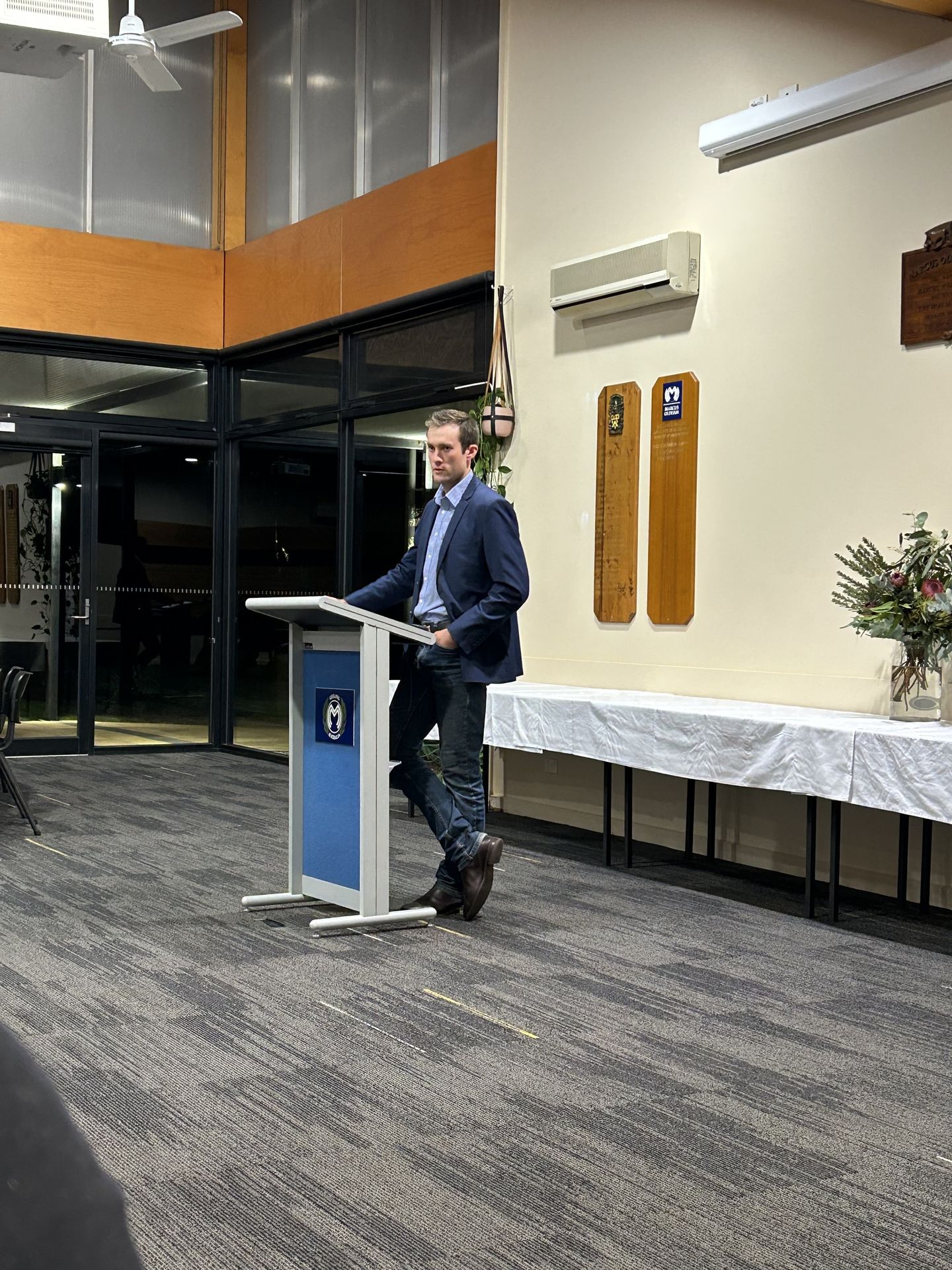
Marcus Oldham Rural Leadership Program
Leadership in agriculture is not tested when everything is tidy. It shows up when conditions change, information is incomplete and people are looking for direction. The Marcus Oldham Rural Leadership Program gave me space to step back from the daily work, look honestly at how I lead and consider the future I want to help build.
Across the week, I met people from stations in the Northern Territory, the cropping districts of Central New South Wales and intensive dairy farms in Tasmania. Their enterprises and experiences were different, but they shared an energy for agriculture and a willingness to bring others with them. It reminded me that leadership in agriculture is not a solo pursuit.
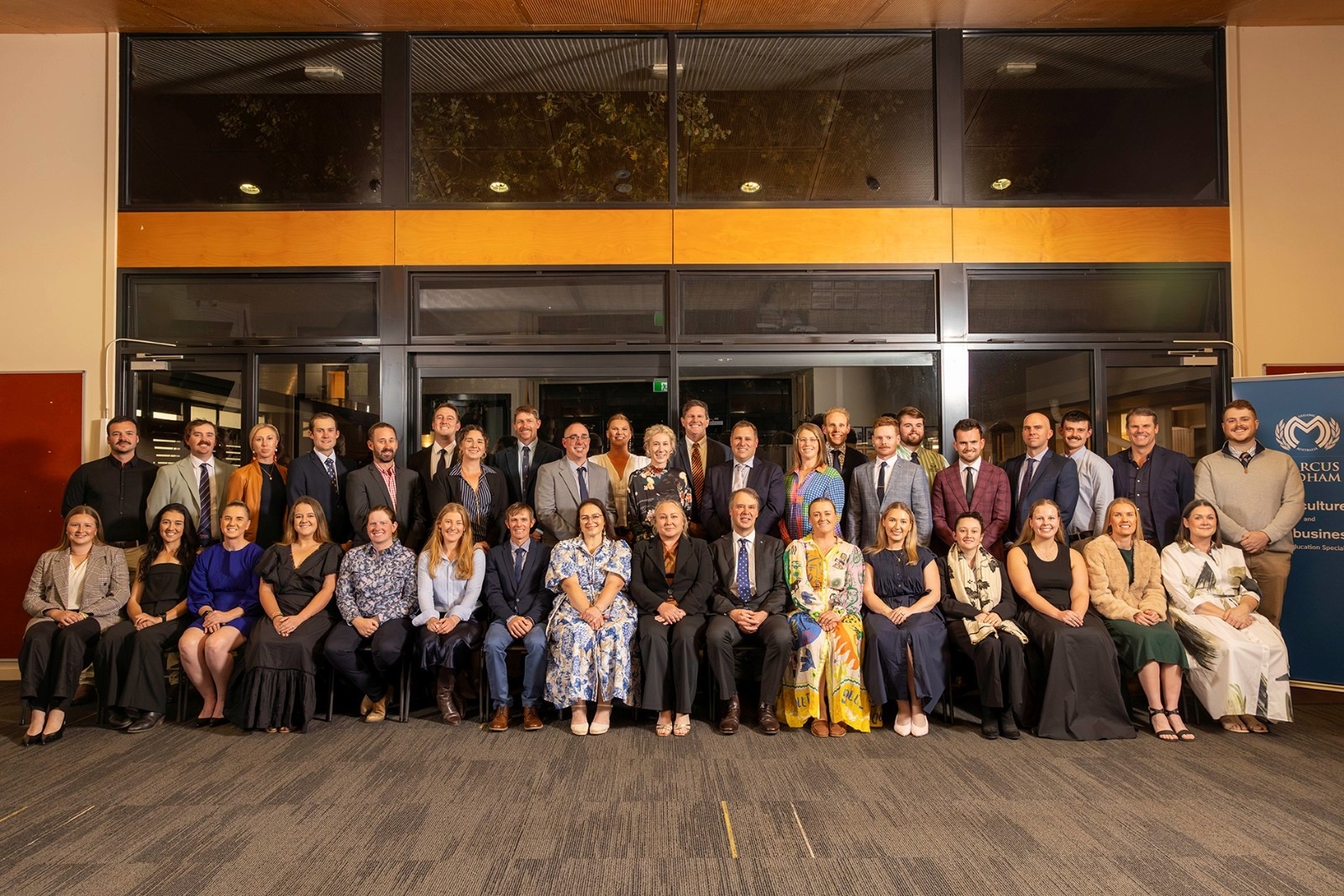
Be present in the moment before preparing the next response
Be present before you respond
One of the first activities took place with horses. They live in the present and respond closely to the emotion and energy around them, without a word being exchanged. We were asked to slow our breathing, become grounded and pay attention to what was happening. I am not traditionally a horse person, yet while I sat in the arena, a small pony came over. It was a simple moment, but it made the lesson real.
The two habits I took from that activity were attention and curiosity. Attention means being genuinely present instead of preparing the next response. Curiosity means asking questions before challenging someone's first perspective. In agronomy, data, experience and commercial realities can pull a conversation in different directions. A pause creates room to listen, understand what is really happening and respond with more clarity.
Look beyond the immediate problem and work as a team
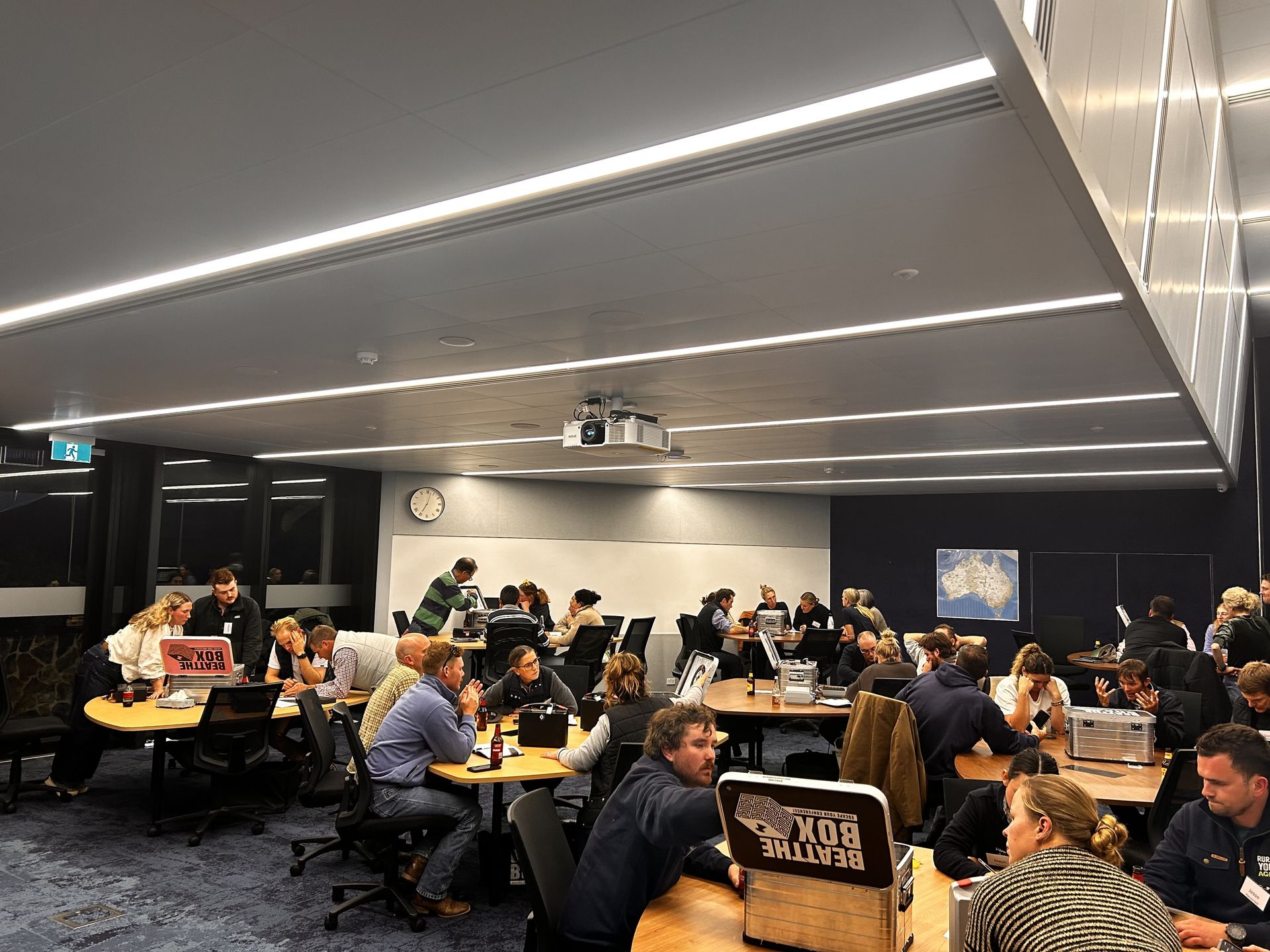
Beat the Box: focus on the bigger picture
In another exercise, Beat the Box, we were split into groups and asked to crack codes, open a box of clues and work toward a final code under a time limit. We initially assumed we were competing with the other groups. The exercise turned out to depend on the whole team, not isolated problem-solving.
That experience showed how quickly urgency can narrow our focus. We can fixate on one detail and miss the people, information or options around us. Good leadership keeps the bigger picture in view, looks externally when the answer is not obvious and uses the strengths of the team. How you show up in difficult moments when under pressure can shape the outcome for the team. It sets the tone for everyone else.
Model the way before asking others to follow
Do what you say you will do
The program returned to a practical principle: model the way. People need to believe the messenger before they can believe the message. Credibility grows when I do what I say I will do and when the standards I expect from others are visible in my own behaviour. The idea is straightforward. Living it consistently is the harder part.
This matters when a team is being asked to change. The program framed shared vision as a clear image of the future for the common good. People need a clear view of where they are going, why it matters and how they can contribute. Giving others ownership of the change process does not weaken leadership. It makes the direction more credible and gives the change a better chance of lasting.
Emotional intelligence begins with self-awareness
Lead yourself first
Some of the most useful lessons were about self-awareness. Under pressure, I can become highly task-focused. That helps work get done, but it can also become armour. It can make it easier to avoid vulnerability, overlook the human side of a problem or hold onto work that someone else could do well. Perfectionism can look like a high standard, even when it makes it harder to listen, delegate and recover.
I need to manage my own energy and reactions if I expect to lead others well. Sometimes the best first response is a breath. That pause gives me room to respond to what is actually happening, rather than to my first interpretation of it. Exercise, recovery, relationships and time outside work also support clear thinking. They are part of sustainable leadership, not a distraction from it.
Stress comes from the unknown; comfort comes from the plan
Turn uncertainty into a plan
One phrase from the week has stayed with me. It reinforced how I think about agronomy, data and follow-through.
The same idea sits behind another lesson: stress comes from the unknown, while comfort comes from the plan. A plan does not remove uncertainty, but it gives the team a sound basis for action. Testing, diagnostics and measurement help make the unknown visible. From there, we can communicate the plan, track what happens and adjust when the evidence changes.
I cannot know everything, but I can find out anything.
An image of the future for the common good
Inspire a shared vision
For me, the personal motivation is food for health. My inspired vision for the future is to embrace and enhance human health by farming smarter, looking after our soils and reducing chemical usage where we can. In practice, that vision has to translate into clear decisions and better outcomes for growers.
Hybrid-Ag's Precision Nutrition approach provides that practical link: test before we recommend, measure before we claim and use evidence to guide the next step. My vision is to help improve grower profitability, reduce insect pressure in crops and regenerate our landscape by thinking smarter, not simply working harder. These goals sit within one holistic system. Progress will come from clear thinking, useful measurement and sharing what works.
Vision without execution is hallucination
Turn reflection into action
Delegation was another practical lesson. Leadership is not about holding every task. It is about enabling capable people to act, giving them genuine ownership and keeping enough perspective to see the wider system clearly.
The practical commitments are about making accountability visible: setting follow-up dates, strengthening timelines, continuing useful review tools and creating places where clients can exchange ideas about nutritional agronomy. They also include protecting the energy needed to lead well, because sustainable leadership depends on recovery as much as output.
Back yourself, aim high
Back yourself and bring others with you
The program helped break down some of the barriers around leadership and tall poppy syndrome. The highlight of the week was the group itself. Their experience, optimism and willingness to create change left me confident about the future of Australian agriculture.
My message to emerging leaders is simple: back yourself, aim high and accept that failure is part of progress. Learn from it. Empower people who can do things better than you can, because a high-functioning team is worth more than the sum of its parts.
Continue the conversation
Get to know James White
Get to know James White's work with Hybrid-Ag, or contact the team to start a practical conversation about your farm. If you already have recent soil, leaf, tissue, sap, water or crop data, a free nutrient audit can help turn those test results into sharper nutrition decisions based on the full picture, not a single number in isolation.